
Why Chevy Truck Parts Matter in 2026
Sticker shock is steering owners toward smarter repairs and upgrades. New vehicle MSRPs are up sharply since 2019, financing is expensive, and high-trim heavy-duty trucks can cross six figures. That pushes more owners into the “Forever Truck” route: investing into driveline, rust-free metal, and interior comfort rather than signing up for a new payment.
What trends are driving demand?
- Restoration and refresh builds are growing, especially on clean-body trucks worth keeping long-term.
- AFM and DOD concerns on 2014–2021 models push owners into lifter repairs or delete-style rebuild strategies (where legal and appropriate).
- OEM electronics and lighting costs make verified used OEM a high-value solution.
Simple strategy
Use verified used OEM where fitment and electronics matter, and use targeted new parts where wear items or upgrades make sense.
How to Choose the Right Chevy Truck Parts
Pick by job and by proof. New OEM fits great but can be expensive or backordered. Aftermarket can be a win for suspension and brakes, but budget body panels often need extra work to fit. Used OEM is the sweet spot when sourced right—factory fit, correct materials, and real savings.
How to vet used parts for quality and fitment
- Start with the donor: Southern trucks are prized for rust-free metal.
- Demand proof for mechanicals: run video and clear condition notes beat guesswork.
- Match by VIN and RPO: especially for electronics, infotainment, and modules.
- Inspect the “hidden areas”: seams, pinch welds, backside edges, and mounts.
Example: A rust-free bed from a Southern donor often costs less to ship than paying a local body shop to repair heavy rust—and the end result is usually cleaner.
Where to Find Chevy Truck Parts in the U.S.
Three main lanes exist: reproduction specialists for cosmetics, marketplaces for volume listings, and enthusiast-focused dismantlers for verification and fitment help.
Why choose J & J Auto Wrecking?
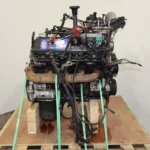
We specialize in rust-free Southern donors and popular Chevy platforms. Engines are video-tested to show oil pressure, idle quality, and noise before we pull them. You get cleaned, inspected parts, HD photos, and careful packaging so installs go right the first time.
Tips for Sourcing the Best Parts
How do I ensure compatibility?
Use the full VIN and RPO codes, especially on electronics and infotainment. When in doubt, message us with your VIN and we’ll help confirm fitment.
What should I ask before buying used?
- Engine/trans: startup or test-run video (“Proof of Life”)
- Body parts: pinch welds, seams, backside edges, and mounting points photos
- Electronics: label photos and a clear warranty policy
- Shipping plan: crating and liftgate options for large items
Is shipping a bed or big body panel worth it?
Yes, in most cases. Freight for a rust-free Southern bed is often cheaper than body-shop rust repair, and the results are cleaner and faster.
Conclusion
If you want your Chevy truck to run longer and drive better in 2026, target the essentials that move the needle: verified engines and transmissions, rust-free body parts, suspension and lighting upgrades, and electrical modules matched by VIN. New-truck pricing and financing are pushing more owners into smart builds—so sourcing parts with proof is the real performance mod this year.