
Why Knowing Your Car Parts Matters
Costs climb fast when you guess. The US vehicle fleet now averages 12.8 years, which drives more wear, more parts demand, and higher service exposure. Maintenance and repair led transportation inflation with a 4.9% year-over-year increase, so delaying fixes can be expensive.
The cost of waiting
Older vehicles consume a disproportionate share of service dollars. Vehicles over 10 years old account for roughly 12.1% of total miles in fleet datasets yet about 33.5% of service spend, and service costs rise from about $0.20 per mile at 0–5 years to about $1.10 per mile past 10 years. When you recognize early symptoms and act, you prevent collateral damage — like replacing a timing belt on schedule rather than risking a $3,000 to $5,000 engine repair after failure.
Why smarter sourcing pays
The aftermarket is massive and growing, with an estimated $445.6 billion in 2026 revenue and a projected $594.3 billion by 2033. Within it, recycled OEM parts deliver meaningful savings — typically 30 to 60% below new OEM or quality aftermarket pricing. That puts quality repairs back within reach, especially when labor often runs $120 to $159 per hour at many shops.
Bottom line
Proactive part knowledge and smart sourcing are the two levers every driver can pull to keep repair costs manageable in 2026.
Signs Your Auto Parts Need Replacing
Trust your senses and confirm with inspection. Listen for new noises, watch your dash for warnings, monitor performance changes, and look for fluid leaks. Then verify with a visual check and a scan.
Brake, tire, and battery signals you should not ignore
Brake pads often squeak when wear indicators touch the rotor, and grinding means metal on metal — which usually damages rotors and raises the bill. Tires must have at least 2/32 inch tread depth, and the penny test makes it quick. Replace any tire at 10 years from manufacture regardless of tread for safety. Batteries commonly last 3 to 5 years. Slow cold cranking, clicking from the starter, dim lights, or a sulfur smell are classic signs of battery trouble.
Fluid checks and shifting feel
Transmission fluid that smells burnt or looks very dark calls for a full fluid service, not a top off. Automatic transmissions require 30,000 to 60,000-mile service intervals to maintain shift quality and longevity. Coolant leaks often show as colored spots under the vehicle or a sweet smell in the engine bay, so trace stains and inspect hoses and connections carefully.
Act early
Symptoms caught at the squeak stage cost far less than symptoms ignored until the grind stage. The same rule applies across every system on this list.
Top 24 Essential Auto Parts to Know in 2026
Use this field guide. Each item lists its job, common failure clues, and a sourcing tip for premium pre-owned or OEM-grade replacements.
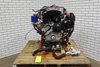
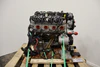
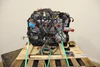
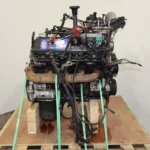
- Engine assembly: Powers the vehicle. Knocking, misfires, low compression, or metal in oil suggest internal wear. For swaps or dropouts, buy compression and leak-down tested units with video proof.
- Transmission: Sends power to wheels. Slipping, delayed shifts, harsh 1-to-2, or burnt, glittery fluid are red flags. Confirm VIN and RPO for exact fit, then choose video-verified units with clear documentation.
- Alternator: Charges the battery. Dim lights, battery light on, or voltage sag under load indicate failure. Many last five to six years in typical service.
- Starter motor: Cranks the engine. Single click with good battery, slow cranking, or intermittent no-crank point to wear. Inspect wiring and grounds before replacing.
- Battery: Stores and delivers starting power. Slow cranking and sulfur smell are common signs. Expect around 3 to 5 years of life.
- Timing belt or chain: Synchronizes cam and crank. Belt engines need scheduled replacement to avoid bent valves and $3,000 to $5,000 in damage.
- Spark plugs: Ignite the mixture. Misfires, rough idle, poor economy, or hard starts point to wear. Use OEM spec heat range and material.
- Coils: Deliver high voltage to plugs. Misfires under load and coil-specific codes are common. Replace in matched sets on high mileage if multiple fail.
- Engine air filter: Feeds clean air. Low power and a dirty element indicate service is due. Inspect at every oil change.
- Cabin air filter: Cleans HVAC air. Musty smells and weak airflow suggest replacement.
- Oil and filter: Lubricate and protect. Follow your manual and consider fully synthetic oil, which outperforms conventional by 47% in AAA tests.
- Water pump: Circulates coolant. Overheating, coolant weep holes staining, or wobble at the pulley indicate failure.
- Radiator and hoses: Manage heat. Swelling, soft spots, or leaks require replacement. Colored drips and sweet odors can reveal coolant issues.
- Thermostat: Regulates temperature. Slow warm-up or overheating can mean stuck open or closed.
- Fuel pump and filter: Supply fuel. Long cranks, stumbles at load, or lean codes point to restriction or pump wear.
- Brake pads and rotors: Stop the car. Squeak is the warning; grinding means damage and a higher repair bill.
- Brake fluid: Transfers hydraulic force. Spongy pedal or dark fluid calls for a flush, which also protects ABS components.
- Shocks and struts: Control ride and stability. Excess bounce, nose dive, or oil seepage signal replacement time.
- Ball joints and tie rods: Keep alignment and steering tight. Clunks over bumps or play when lifting the tire indicate wear.
- Wheel bearings: Let wheels spin freely. Growling that changes with speed or turning suggests bearing failure.
- Wiper blades: Clear the windshield. Streaking or chatter means new blades are needed.
- Headlights and bulbs: See and be seen. Dim or out bulbs reduce safety. Replace in pairs and check aim.
- Brake lights and turn signals: Communicate intentions. Malfunctions can raise accident risk by up to 30%.
- Transmission and differential fluids: Lubricate the driveline. Dark or burnt fluid and jerky shifts mean service is overdue. Automatic transmissions require 30,000 to 60,000-mile intervals.
Sourcing tip
For major assemblies, insist on HD photos, live test videos, and clear condition notes. Compression and leak-down data for engines, plus VIN and RPO verification for transmissions, reduce install-day surprises and protect your labor spend.
How Does J & J Auto Wrecking Stand Out?
We are a family-owned online retailer of premium pre-owned OEM parts founded in 1957 in Marshallville, Ohio. Every component is professionally inspected and cleaned, with compression and leak-down data where applicable, plus thousands of HD photos and professional test videos for full transparency. We ship nationwide in protective packaging and back parts with a standard 30-day warranty, with 90-day coverage available on select tested components.
Proof-first sourcing and enthusiast focus
Our inventory prioritizes late-model and performance donors — including enthusiast-grade Hummer H2 components, GMT800 truck parts, LS engine dropouts and swaps, Corvette interiors and suspension, and Hellcat and Coyote swap items. We stock over 2,000 Hummer H2 parts, from L92 engines and transmissions to WS2 body molding kits, each item photographed in HD and documented with live testing when applicable. Customers rate us 4.8 out of 5 stars across 511+ verified reviews as of February 2026.
Value without the gamble
Recycled OEM parts typically save 30 to 60% versus new while the overall market has grown to about $17.4 billion and is forecast to expand at roughly 8% annually. We reduce the common risk of buying pre-owned by verifying VINs and RPOs on transmissions before shipping and by documenting test results on engines. Share your VIN with us before shipping so we can cross-check codes and prevent install-day surprises.